https://finet52.com/global-culinary-exploration-a-journey-through-world-flavors-and-traditions/
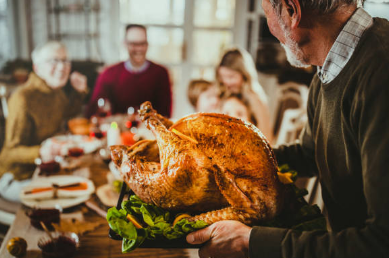
Turkey, as one of the main characters on many family holiday tables, especially during Thanksgiving and Christmas, has deeply integrated into Western culture. However, turkey is not just a delicious dish, it also has rich historical and cultural significance behind it. This article will explore how turkeys have become an important part of holiday dining tables and reveal their changes and developments in various historical periods.
The Origin of Turkey: From America to the World

Turkey is native to North America and is an important food source for indigenous peoples in the Americas. The earliest records indicate that Native Americans had already started consuming turkey and regarded it as an important resource in food, religious ceremonies, and daily life. European explorers brought turkeys back to Europe in the early 16th century, and after improvement and cultivation, turkeys began to become a common food on dining tables around the world.
According to historical records, the name of turkey originated from “Türkiye”. It was originally because Türkiye businessmen brought turkey to Europe through the Middle East, so Europeans called it “Türkiye chicken”. This is why turkey is associated with Türkiye in many languages.
Turkey and Thanksgiving: Symbols of the Festival Table

In the United States, Thanksgiving is undoubtedly the most profound symbol of turkey culture. The origin of Thanksgiving can be traced back to 1621, when pilgrims from Europe celebrated a bountiful harvest with local Native Americans. Although the Thanksgiving menu is not fully documented, it is widely believed that turkey was one of the main foods during the celebration at that time.
Over time, turkey has become one of the traditional Thanksgiving main dishes in the United States. This tradition was officially recognized in 1863. At that time, President Abraham Lincoln declared Thanksgiving a national holiday and promoted this celebration nationwide. The addition of turkeys is not only to celebrate the harvest, but also a symbol of family reunion and gratitude.
The cultural significance of turkey: reunion and sharing
Turkey is not only a delicious dish in many cultures, but also carries symbolic meaning of reunion and sharing. On Thanksgiving in the United States, turkey dinner is often a time for families to sit together and enjoy delicious food, looking back on the gratitude and harvest of the past year. This tradition embodies the close connection between family and community, emphasizing the spirit of gratitude and sharing.
During Christmas, turkey is also the center of many family celebrations, especially in places like the UK and Canada. The recipe for Christmas turkey may vary depending on the region, but what remains unchanged is that it is always a sumptuous feast shared by family members.
Global Spread of Turkey: Food Beyond Festivals
The deliciousness and nutritional value of turkey extend beyond holiday dining tables. With the advancement of globalization, turkey has become a common ingredient on dining tables around the world. In the UK, turkey has become synonymous with traditional Christmas dishes. In other regions, especially in Asia and the Middle East, the cooking method of turkey has gradually become popular among people. Turkey’s delicate meat, low fat and high protein make it an ideal choice for modern healthy eating.
Turkey and Modern Festivals: Adapting to New Flavors
With the development of the times, people are constantly innovating in the cooking and pairing of turkey. In addition to traditional roasted turkey, many families now choose more convenient and diverse methods such as turkey breast, turkey leg, or turkey sausage. In addition, innovative approaches to turkey are constantly emerging, from turkey burgers to turkey salads. Turkey has become a part of global culinary culture, adapting to various tastes and needs.
conclusion
Turkey is not only a delicious dish, but also carries profound historical and cultural significance in many festivals. Whether as the protagonist of Thanksgiving or a symbol of family gatherings, turkeys convey the beautiful concepts of reunion, gratitude, and sharing worldwide. With the advancement of cooking techniques and cultural integration, turkeys will continue to occupy an important position on dining tables around the world.
https://finet52.com/global-culinary-exploration-a-journey-through-world-flavors-and-traditions/