https://finet52.com/global-culinary-exploration-a-journey-through-world-flavors-and-traditions/
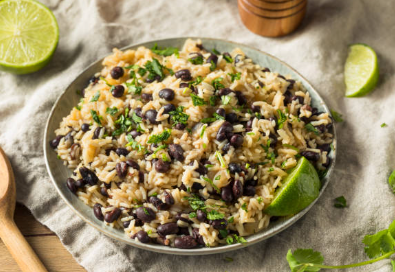
Cuban Black Beans and Rice (Arroz Congri) is one of Cuba’s most iconic traditional dishes, commonly found on Cuban tables. It consists of black beans and rice mixed together—simple yet bursting with rich flavors and cultural significance. So why has Cuban Black Beans and Rice become a classic staple in Cuba?
1. The Unique Flavor of Black Beans
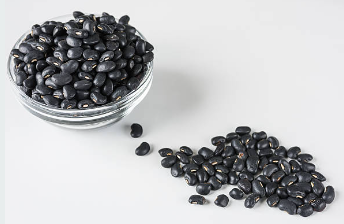
Black beans are the core ingredient of Cuban Black Beans and Rice, and their distinct flavor comes from the traditional cooking methods. Typically, black beans are slow-cooked with garlic, onions, and spices like cumin, bay leaves, and red pepper, allowing the beans to absorb the essence of the spices and blend seamlessly with the rice. Once cooked, the black beans and rice give off an irresistible aroma, with the beans’ tender texture beautifully contrasting with the fluffiness of the rice.
In Cuba, black beans are more than just a food item—they hold great cultural significance. As part of the staple diet, black beans symbolize the Cuban people’s hard work, frugality, and close connection to the land.
2. Simple Yet Nutrient-Rich
Though the dish appears simple, it is rich in nutrients. The combination of black beans and rice provides a plentiful source of protein, fiber, vitamins, and minerals. Black beans are high in plant-based protein, offering the body ample energy and nutrients, while rice, as a carbohydrate, provides sustained energy throughout the day.
Additionally, the spices in Cuban Black Beans and Rice, such as garlic and onions, help boost the immune system and aid digestion. Therefore, this dish is not only a delicious treat but also a healthy choice for any meal.
3. Suitable for Both Everyday and Special Occasions
Cuban Black Beans and Rice is an essential part of daily Cuban meals, often appearing at every meal. It pairs perfectly with meats and vegetables, making it a nutritious main dish. It is also a must-have at Cuban celebrations, gatherings, and family reunions. During certain holidays, especially New Year’s, Cuban families meticulously prepare this dish, symbolizing good luck and prosperity.
Simple to prepare yet satisfying for large families, Cuban Black Beans and Rice has become a traditional food for family gatherings, reinforcing the importance of sharing meals together.
4. Unique Cooking Techniques
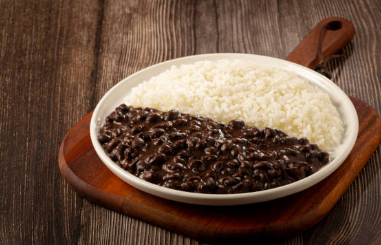
The traditional method of preparing Cuban Black Beans and Rice typically involves first cooking the black beans with spices until tender. Then, rice is added and cooked together with the beans, allowing the rice to absorb the rich flavors and juices. Different families and restaurants may include additional ingredients, such as marinated meats, smoked sausages, or regional spices, giving each batch of Black Beans and Rice a unique flavor.
5. A Cultural Tradition
Cuban Black Beans and Rice is not just a meal; it is an integral part of Cuban culture. In Cuba, family plays a crucial role in society, and traditional family meals are vital for building and maintaining family bonds. As part of this cultural tradition, Black Beans and Rice carries the emotional and historical weight of the Cuban people.
In every corner of Cuba, Black Beans and Rice holds a special place. It symbolizes love between family members, serves as a traditional way of expression, and acts as a link for communication and connection.
Cuban Black Beans and Rice has earned its status as a classic staple in Cuban cuisine due to its unique flavor, rich nutritional value, and deep cultural background. It is not just a common food on Cuban tables but also a reflection of Cuban culture and emotions. Whether it’s a simple family dinner or a festive feast, Black Beans and Rice is sure to be the heart of the meal, bringing warmth and the taste of home.
If you haven’t yet tried Cuban Black Beans and Rice, give it a chance to taste this delicious traditional dish. You’ll not only savor its flavor but also experience the rich heritage of Cuban culture.
https://finet52.com/global-culinary-exploration-a-journey-through-world-flavors-and-traditions/