https://finet52.com/global-roasting-guide-from-campfire-marshmallows-to-andean-guinea-pig/
Around the world, food cultures vary immensely, and some dishes may surprise you. Today, let’s talk about a traditional South American delicacy: Roast Guinea Pig. While guinea pigs are beloved as pets in many parts of the world, in certain countries, they are considered a tasty dish. So, why do some people choose to make this small creature the centerpiece of their dining tables? Let’s dive into this unique world and explore the first impressions people have when they encounter Roast Guinea Pig.
1. Guinea Pig: A Dual Identity as Both Pet and Food
In Western countries, particularly in North America and Europe, guinea pigs are mostly viewed as pets—gentle and adorable creatures. However, in countries like Peru, Ecuador, and Colombia, guinea pigs have a different role: they are a traditional dish with deep historical and cultural significance. In these places, guinea pigs are specifically raised for consumption, and they often make an appearance during festive celebrations and family gatherings as a special main course.
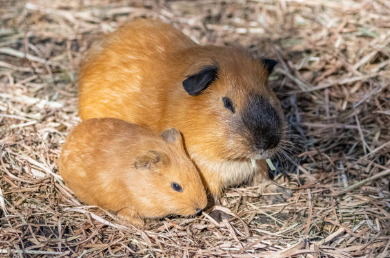
2. The Unique Flavor of Roast Guinea Pig
Roast Guinea Pig, also known as Cuy, is typically cooked over charcoal or in an oven, resulting in a crispy exterior and tender, flavorful meat. The taste of guinea pig meat is often described as similar to chicken but richer in flavor, with a distinct aroma. Many diners refer to it as a “wonderful” food that keeps them coming back for more. Depending on the region, various spices and seasonings may be used to enhance the flavor, making it a truly mouthwatering delicacy.
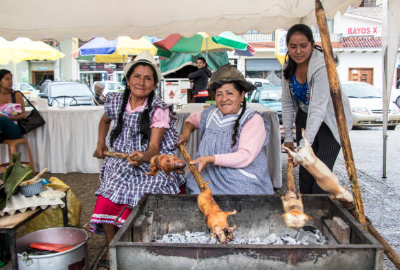
3. The First-Time Experience: A Challenge or an Embrace?
For many people from other cultural backgrounds, the idea of eating roast guinea pig can be quite daunting. It challenges the usual association of guinea pigs with being pets, leading to psychological resistance. However, as globalization increases, more and more people are becoming open to trying this unique food. For first-timers, the challenge often stems from mental barriers rather than the actual taste of the food—after all, many of the foods we consume today were once considered “taboo” or “exotic” in other cultures.
4. The Cultural Significance of Eating Roast Guinea Pig: From Tradition to Modern Times
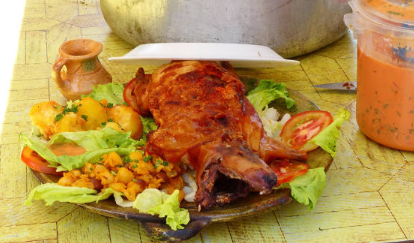
In some places, roast guinea pig is not just about satisfying hunger; it holds deep cultural significance. In Peru, for example, guinea pig is considered an essential part of traditional celebrations, especially during important holidays and ceremonies, symbolizing abundance and good fortune. In recent years, with the increasing exchange of global food cultures, more foreign tourists have begun to embrace this dish, making it part of the adventurous food scene.
Although roast guinea pig may not be to everyone’s taste, it remains an important part of many people’s lives. Whether or not you’re willing to try this delicacy, it represents the diversity of cultures and the limitless possibilities in global cuisine. With an open mindset, trying new foods can often lead to unexpected delights. So, would you challenge your food perceptions and try this unique-tasting roast guinea pig?
https://finet52.com/global-roasting-guide-from-campfire-marshmallows-to-andean-guinea-pig/